Up to $2,000AUD Savings
- Japan
- Asia
- Duration
- 16 Days
- Dates
- May, Jun
- Starting from
- A$23,571 per person
Call +1300.361.012 (AU) | +0800.444.462 (NZ) Contact Us

Japan’s storied castle towns, elegant merchant districts and ancient forests reveal a country rich in history and natural beauty. With National Geographic-Lindblad Expeditions, you'll explore its shores through an expedition lens, discovering treasures both iconic and uncommon. Alongside knowledgeable experts, trace the legacies of emperors and shoguns, wander tranquil landscape gardens and encounter expressive art, distinctive cuisine and living traditions that connect the country’s past and present.
These images offer a window into the discoveries that await when you join us in Japan, from the forested trails of Yakushima to the 17th-century Himeji Castle.
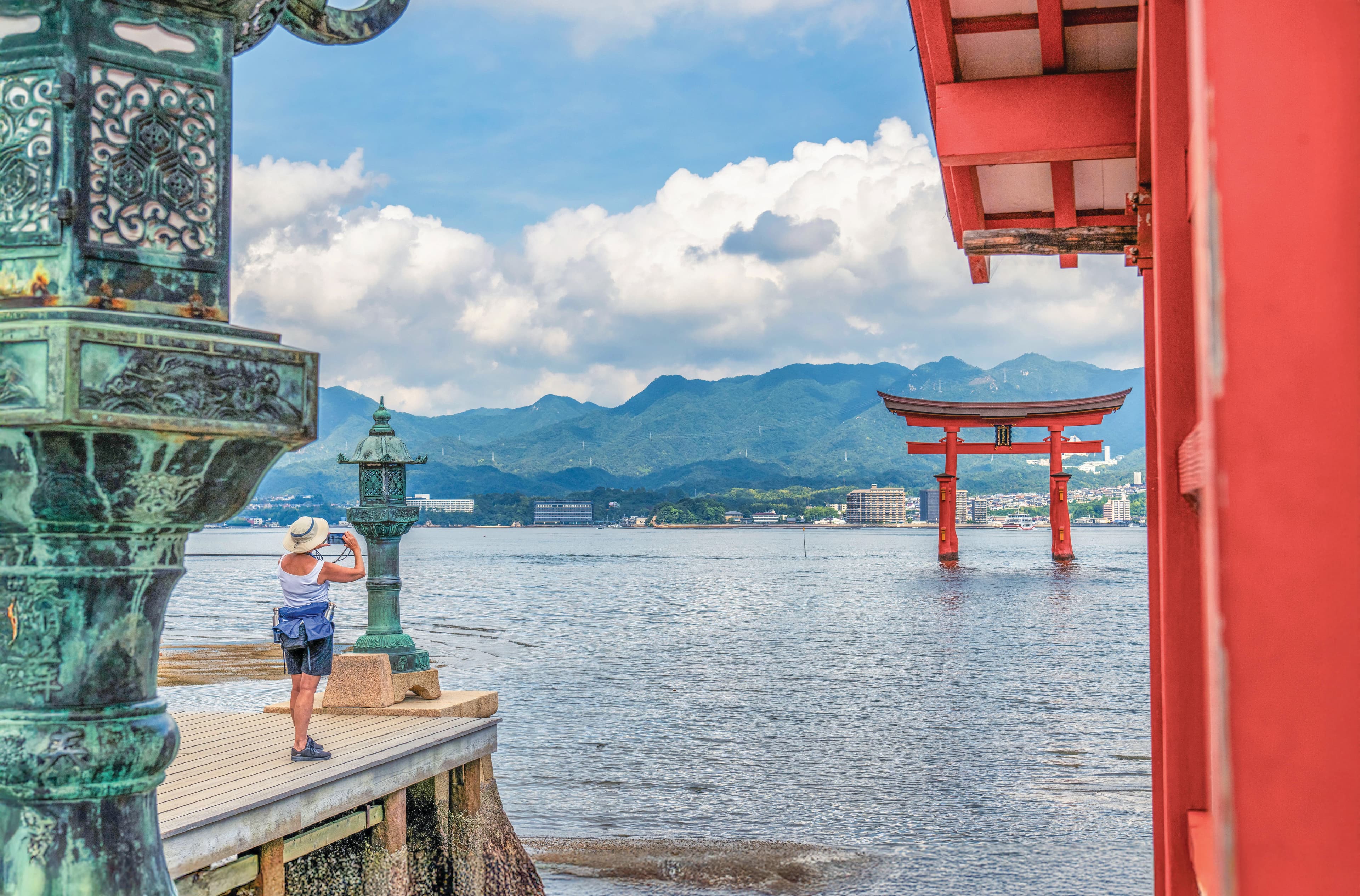
Miyajima, a serene island in Hiroshima Bay, holds a wealth of history. It's home to ancient temples and the iconic Great Torii Gate, which is partially submerged at high tide and marks the entrance to the 12th-century Itsukushima Shrine, a UNESCO World Heritage site.

Small boats drift along the picturesque canal that runs through the Bikan Historical Quarter of Kurashiki. The district is known for its white-walled kominka (traditional houses), eateries, tiny craft shops and the Ohashi house, an 18th-century merchant's home that sheds light on the architectural design and lifestyles of the era.
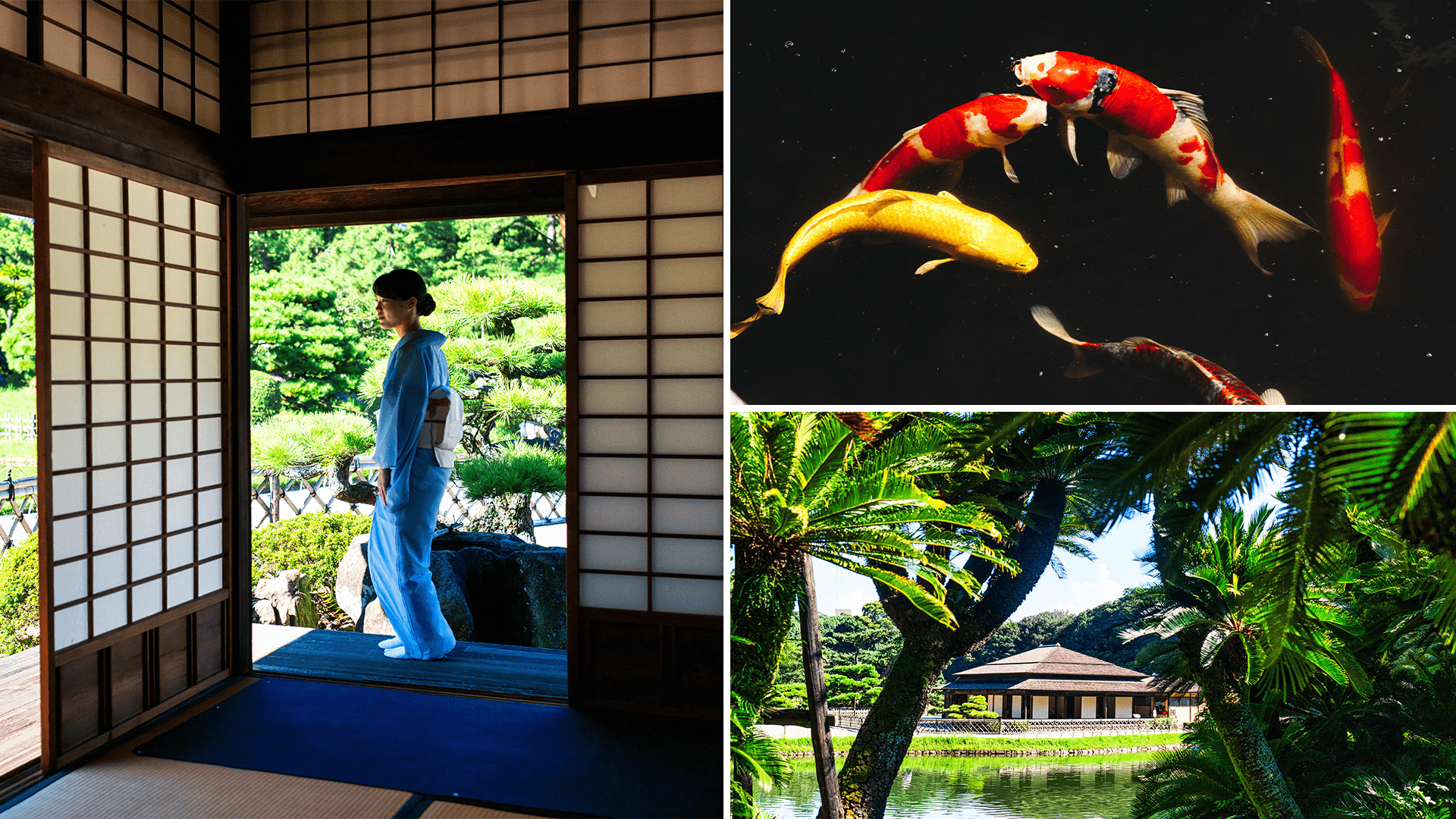
Gardens like Ritsurin in Takamatsu (left and bottom right) and Kokoen in Hemiji (top right) are a reflection of Japan’s deep appreciation for landscape art. Each one distinctly combines the history of the nation’s different ruling periods, unique artistic expression and respect for endemic flora and fauna.

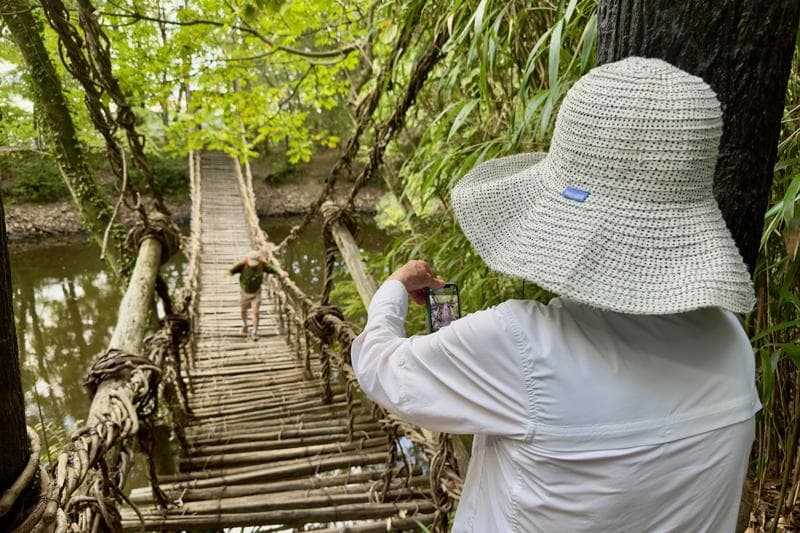
A guest pauses to photograph the lush scenery on Yakushima Island, a UNESCO World Heritage site and the inspiration for several iconic anime films from Studio Ghibli. Yakushima is also known for its ancient cedar trees, including one estimated to be between 2,000 and 7,200 years old.
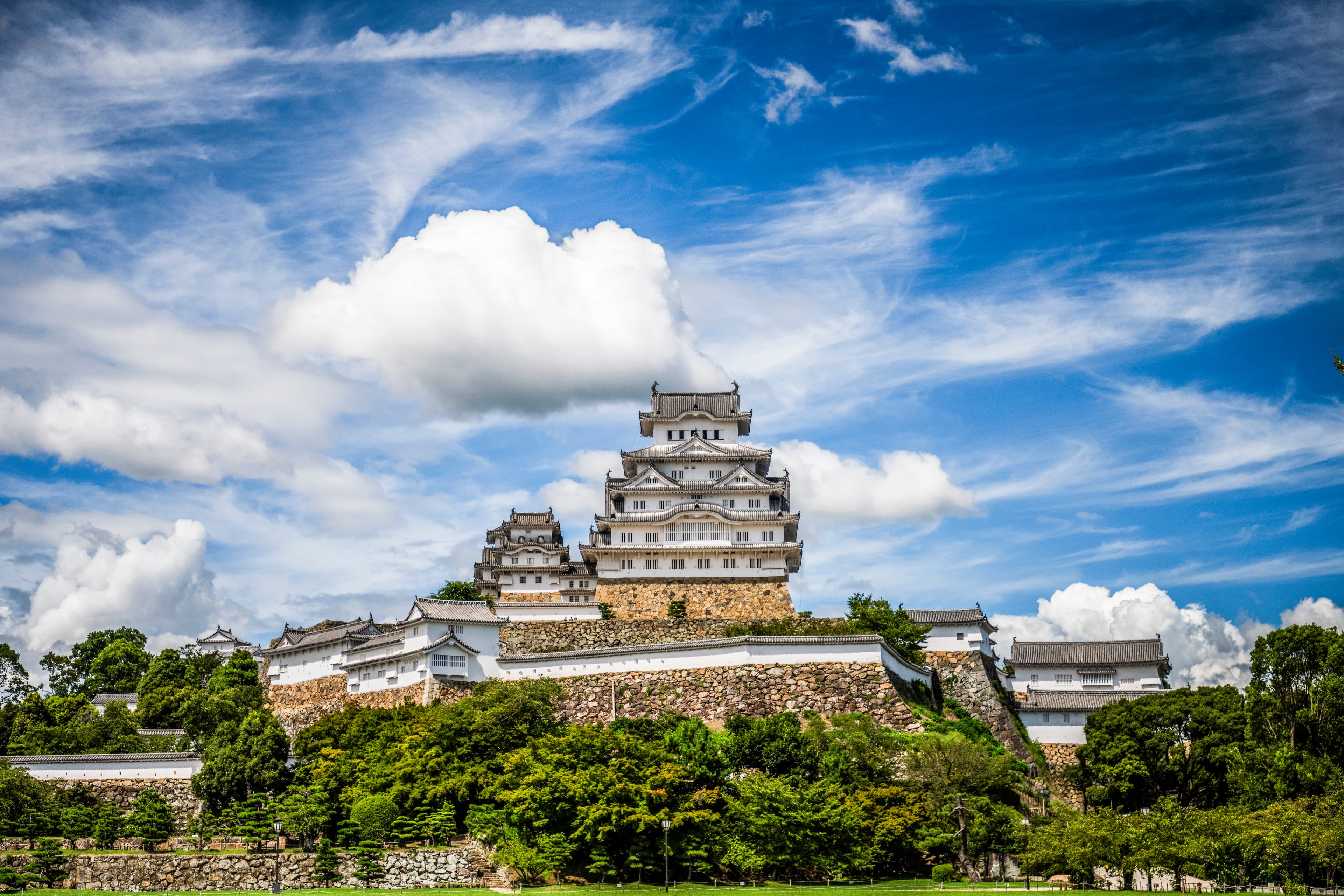
The stunning 17th-century Himeji Castle, another UNESCO World Heritage site, was built as a defense mechanism during Japan's Shogunate era. It’s also known as the “White Heron Castle,” a nod to its eye-catching white plastered exterior, which covers its famed wooden frame.

Chefs from the National Geographic Resolution select local produce at Omicho Market in Kanazawa, the city’s largest fresh food market, which dates back to the mid-1700s. Back aboard the ship, they incorporate these ingredients to create a unique culinary experience for the night’s dinner.

Photo ops abound on these voyages and National Geographic-Lindblad Expeditions certified photo instructors are at the ready to offer expert tips and advice. Here, David Cothran helps a guest capture the celebrated beauty of the Kenroku-en garden in Kanazawa, Ishikawa.

Sado Island is a central hub for the Japanese art of Taiko drumming. Here, guests enjoy a performance while learning about the origin of the practice and its significance to the island.
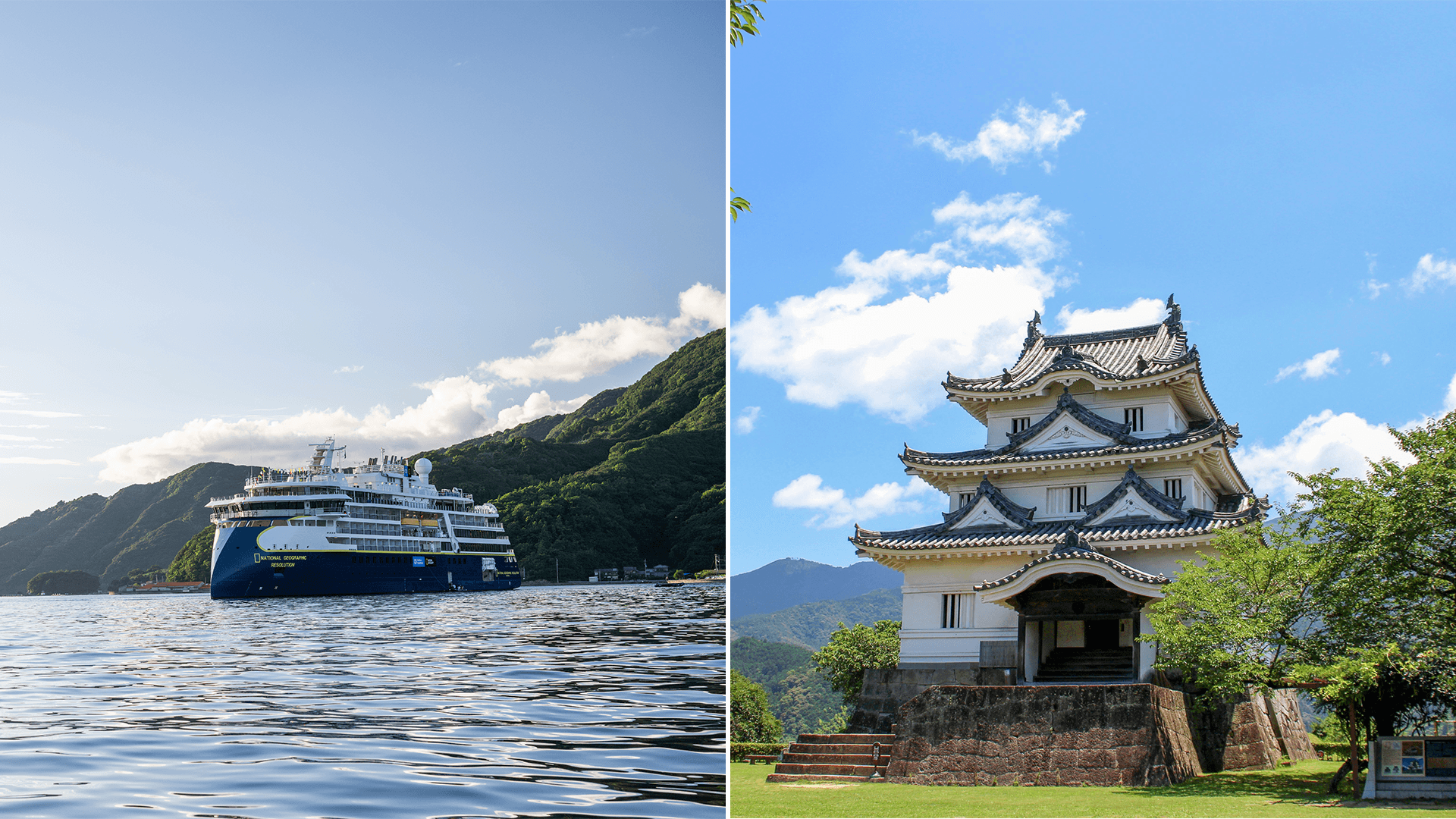
Overlooking the city, Uwajima Castle is one of just 12 original Edo-period castles that remain intact. On Coastal Japan: Imperial Dynasties and Modern Culture, guests explore its storied history on a morning hike to the landmark.
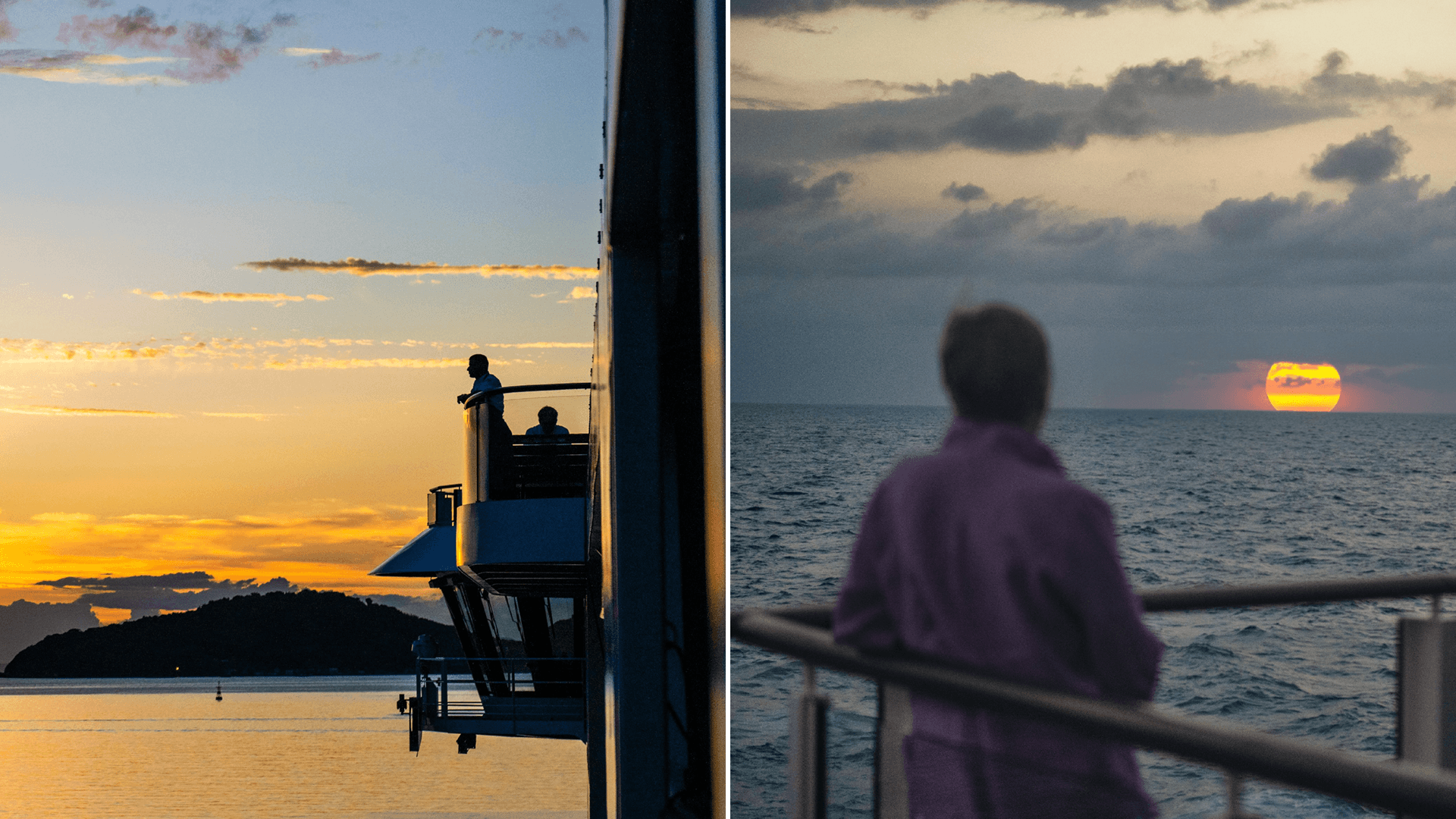
After spirited days of exploration, the expansive decks, wings and balconies of the National Geographic Resolution provide ideal viewing opportunities to take in exceptional sunsets.