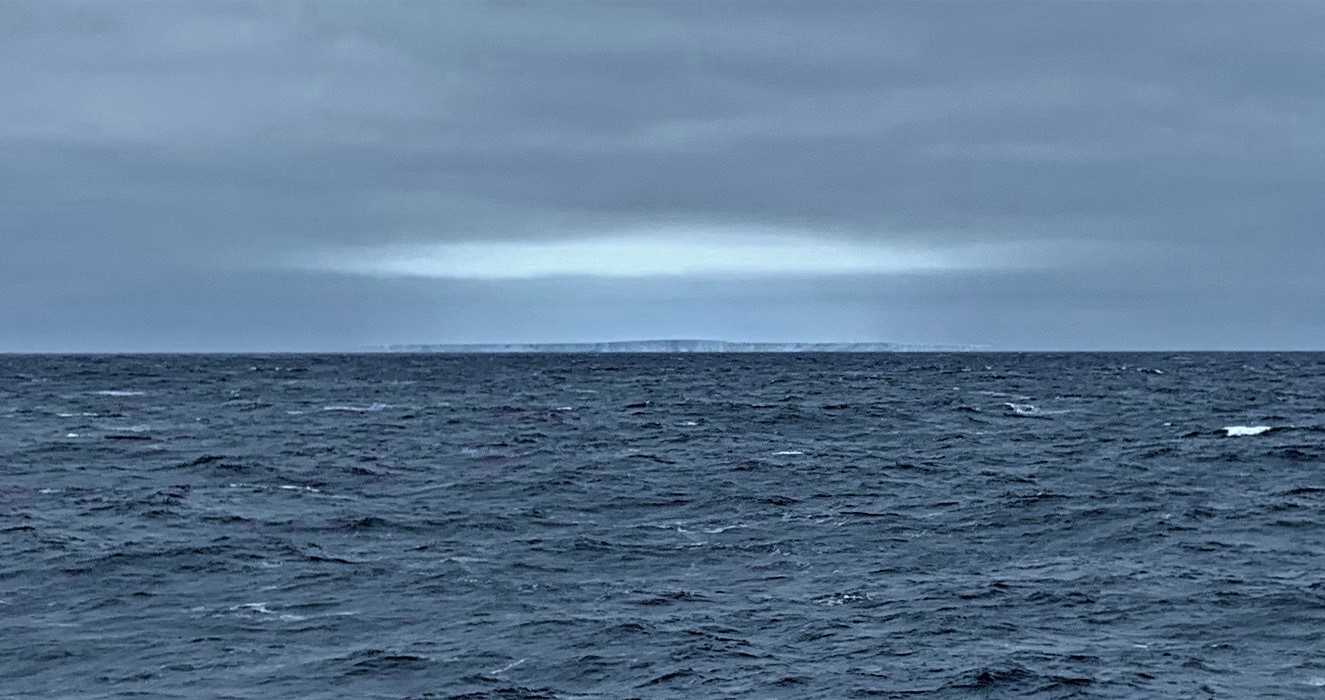
Approaching South Georgia, 2/28/2020, National Geographic Orion
Aboard the
National Geographic Orion
Antarctica
Today we are well on our way in crossing the Scotia Sea towards South Georgia. The moderate ocean swells of the morning eased into a gentle following sea, making for a very comfortable ride by midday. Our seabird companions periodically visited, and careful observers logged more than ten species, from the majestic wandering albatross to diminutive water dancing black-bellied storm petrels. A variety of marine mammals were also spotted, from fin whales to fur seals. We were kept busy with presentations by our photo and naturalist team and later revisited the visitor guidelines and decontamination protocols as applicable to the specific requirements of South Georgia. We are more than willing to do our part to minimize our impact to the wildlife and landscapes we plan to visit over the next several days, and eagerly anticipate our arrival early tomorrow morning at this unique, isolated, and historic sub-Antarctic island.
Growing up in the Appalachian foothills of the Garden State, Rob instinctively knew it made a lot more sense to head over the hill into the fields, forests, lakes, and streams behind his house, rather than down the road to the shopping mall in front ...
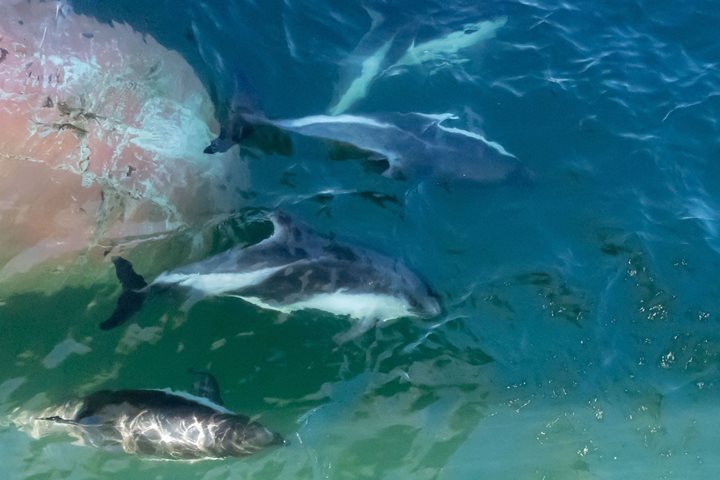
Our time has come, the circle is closed. Twenty days ago, we left Ushuaia. Headed towards Antarctica, the infamous Drake Passage, and certainly some unknown. Now we return, after an incredible voyage to Antarctica, South Georgia, the Falklands, and a lot of ocean in between. Calm seas in the Beagle channel were certainly enjoyed, but it was a bit shocking to see trees and civilization. We did enjoy the sunshine, dolphins, and abundant birds. I think for many of us, we wished we were heading back out instead of into Ushuaia, but the memories we have created will last a lifetime.
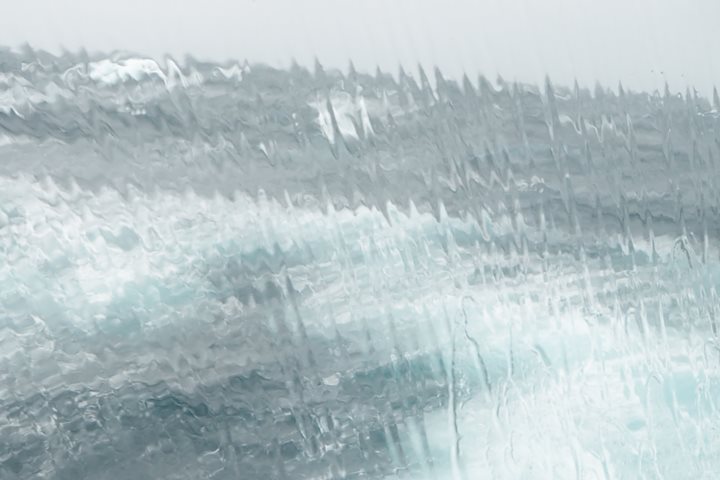
Today was a great day to stay indoors. Robust seas and high winds made for a somewhat rough ride and outside decks were closed to guests. Waves to around 5 metres and spray causing white out on the windows of the deck-6 observation lounge from time to time were the norm. Fortunately there were plenty of engaging presentations. Conor Ryan spoke of the underwater soundscapes of the oceans, communication between cetaceans and some of the significant and disturbing impacts of human activity on those soundscapes. Andrew Atkin gave some further insights to the Heroic Era of Antarctic exploration with stories from those expeditions that visited Cape Adare on the edge of the Ross Sea between 1895 and 1914. These included the more obscure visits of Carsten Borchgrevink ( Southern Cross Expedition) and Captain Scott’s northern scientific party during the Terra Nova Expedition. National Geographic photographer Todd Gipstein wrapped up his medley of presentations with ideas about how to develop our photographic collections into books, presentations and videos to share with family and friends. It was an absolute treat to see the treatment of his first Antarctic trip: reflective and inspirational indeed. The mid-afternoon treat was a broadcast of David Attenborough’s excellent program on the Antarctic, enjoyed by many guests from the comfort of their staterooms. Most folk emerged in time for the evening cocktails, update on plans from expedition leader Peter Wilson and a medley of interesting recaps. Particularly memorable was Rob Edwards’ simulation of plate tectonics using volunteers to represent different continents and mountain chains. After dinner entertainment in the lounge was hosted by guests Ruey and Amy who had put together a challenging trivia quiz. Topics ranged from Lindblad’s operational history through to natural history questions based on some of the presentations given during the voyage. It was a well-attended and fun night.
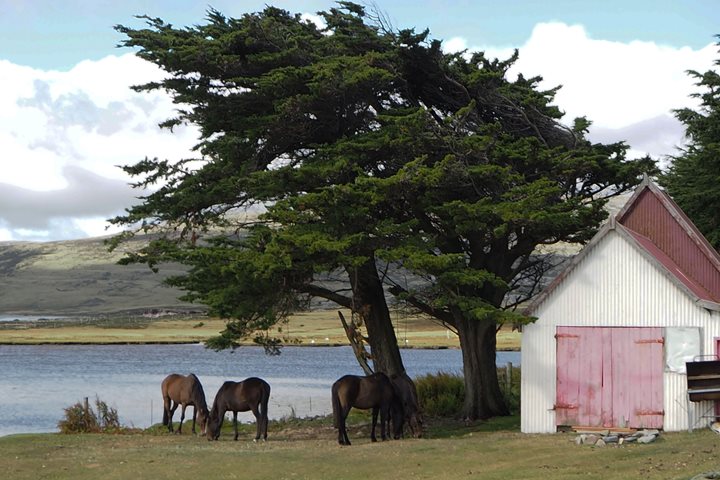
National Geographic Orion approached Stanley, capital of the Falkland Islands at dawn today, through a hanging mist. Although we anticipated inclement weather the day turned out to be dry but windy, and only slightly brisk. The day was filled with a variety of onshore tours to local points of interest. The pick of the tours for those interested in the lifestyle of the local rural community was the “Long Island Farm” visit. Glenda, the owner, and her son Paul hosted about 25 guests at their farm and gave us a taste of life and work on one of the world’s southernmost wool growing enterprises. Paul and Glenda demonstrated mustering a mob of sheep using a working dog, sheep shearing and horse wrangling. Although the fodder is not the richest stock feed the population of sheep on the Falklands exceeds half a million. The main fuel used for heating at the farm is peat cut from the nearby peat bed. This is done using a sharpened, flat-bladed spade of nine inches in width, specially designed for cutting the square blocks of the dense, black substance that is composed of dense matted roots that have been compressed over hundreds, maybe thousands of years. After a round of morning tea (delicious gingerbread included) we travelled back to Stanley on the coach. Stopping at a hilltop we were treated to a fascinating natural feature known locally as a stone run. Geologists call this “solifluction,” and it comprises of what appears to be a river of like-sized rocks extending for hundreds of metres down the hillsides. This is the result of repeated freezing and thawing of high rocky crags causing pieces to break away and move downhill, all the while being sorted by size resulting in the larger pieces being evident at the surface and the smaller acting like bearings to aid the downhill “flow” of the whole mass. The effect is a surprisingly even sized mass of rocks that appears from afar as if it’s a stream of water. An interlude back in Stanley allowed a bit of fossicking in the gift shops and cafés before the afternoon “Highlights of Stanley” tour. This passed around the wreck of Lady Elizabeth , one of many in the area, scooted via Gypsy Cove and back into the “suburbs” of Stanley. The Governor’s Residence is a grand manor overlooking the harbor and the memorial to the 1982 conflict between Britain and Argentina is a fitting tribute to the fallen. The last stop was the museum with comprehensive displays depicted maritime elements of the Falklands, the natural sciences and the life and times of the communities living in this colonial outpost. Finally, the chance to stroll around the waterfront and enjoy the ambience of this interesting slice of life topped off another excellent day.